


The recovery period depends on the patient’s individual characteristics and the extent of the procedure. In most cases patients can gradually return to their normal routine within a few weeks. Complete tissue healing may take longer.
Anna Brodska
Endoscopic Upper Face Lift (Brows + Forehead)
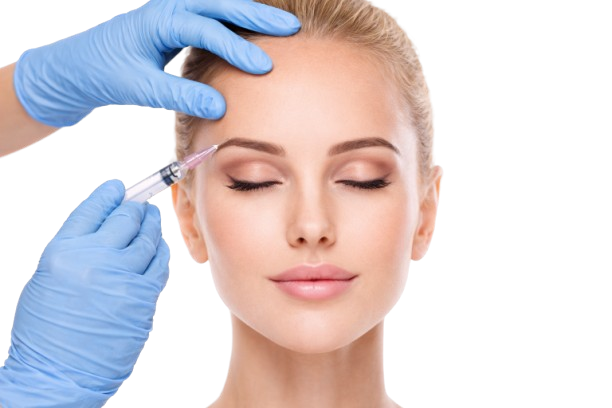
An endoscopic upper face lift allows delicate elevation of the brows and smoothing of the forehead while preserving natural facial expression and harmony of facial features.
An endoscopic upper face lift is a modern plastic surgery procedure designed to correct age-related changes in the forehead and brow area. During the procedure, a plastic surgeon uses endoscopic equipment to lift the tissues of the upper face, restore the natural position of the eyebrows, and reduce the appearance of forehead wrinkles. This technique provides a rejuvenating effect without large incisions and with minimal tissue trauma.
About the service
An endoscopic upper face lift is a surgical procedure aimed at rejuvenating the upper part of the face. It allows the surgeon to elevate the brows, smooth wrinkles on the forehead, and correct tissue sagging in this area.
With age, tissues in the upper face gradually lose elasticity and begin to descend. This may lead to horizontal forehead wrinkles, deep folds between the eyebrows, and the appearance of a “heavy” or tired look.
Endoscopic techniques allow the surgeon to work with deeper tissue layers, repositioning them into a more anatomically correct position and creating a more open and refreshed facial appearance.
Indications for an endoscopic upper face lift
The procedure may be recommended for patients who have noticeable age-related changes in the forehead and brow area.
The most common indications:
• drooping eyebrows
• horizontal forehead wrinkles
• deep folds between the eyebrows
• a tired or heavy appearance of the eyes
• age-related changes in the upper facial contour
During the consultation, the plastic surgeon evaluates tissue condition, brow position, and the patient’s individual anatomical features.
How the surgery is performed
An endoscopic upper face lift is performed under general anesthesia. Small incisions are made within the hairline, which allows postoperative scars to remain hidden.
Through these access points an endoscope — a specialized instrument with a camera — is inserted, enabling the surgeon to control every stage of the procedure. Using specialized instruments, the tissues are lifted, repositioned, and secured in a new position.
This approach reduces tissue trauma and helps shorten the recovery period.
Individual approach to facial rejuvenation
Before undergoing an endoscopic upper face lift, the patient has a consultation with a plastic surgeon. The doctor evaluates the condition of the skin, the degree of age-related changes, and the anatomical features of the face.
Based on this evaluation, an individualized rejuvenation plan is created. In some cases, the procedure may be combined with other corrective methods to achieve a more harmonious result.
Indications for an endoscopic upper face lift
An endoscopic upper face lift is performed when age-related changes appear in the forehead and brow area. The procedure may be recommended for drooping eyebrows, deep forehead wrinkles, or pronounced folds between the brows. It can also help create a more open and refreshed look. The final decision is made after consultation with a plastic surgeon.
Contraindications for an endoscopic upper face lift
Contraindications may include acute infectious diseases, blood clotting disorders, or serious chronic conditions. Surgery is also not performed if there are active inflammatory processes in the treatment area. Before the procedure the patient undergoes the necessary medical examinations.
Preparation for an endoscopic upper face lift
Before surgery the patient has a consultation with the doctor and undergoes required examinations. Laboratory tests or other diagnostic procedures may be recommended. Some time before the procedure the doctor may advise limiting smoking and avoiding certain medications. Following these recommendations helps properly prepare the body for surgery.
Recovery after an endoscopic upper face lift
After surgery patients are advised to follow the doctor’s recommendations and limit physical activity. During the first days swelling or mild discomfort may occur. These symptoms gradually decrease as the tissues heal. The final result develops over several months.
Anna Brodska
Service cost All prices
Face Lift
Endoscopic Upper Face Lift (Brows + Forehead)
from 226 967 uah (price from €4500 - to the NBU exchange rate on the day of payment)
Anna Brodska
Відгуки пацієнтів
Anna Brodska
Frequently Asked Questions About Upper Face Mask Lift
Face Lift
How an endoscopic lift differs from a traditional forehead lift
An endoscopic lift is performed through small incisions using specialized equipment. Because of this the procedure is less traumatic and recovery is typically faster. Traditional techniques may require longer incisions.
Will scars remain after the procedure
Since the incisions are placed within the hairline, scars are usually barely visible. They remain hidden by the hair and gradually become less noticeable over time. This is one of the advantages of the endoscopic technique.
Will facial expressions change after surgery
The procedure is designed to restore the natural position of facial tissues. During the operation the surgeon works with deeper structures without disrupting natural facial expressions. As a result the outcome appears natural.
How long the results last
The results of an endoscopic upper face lift can last for many years. Although the surgery does not stop the natural aging process, it significantly improves the contours of the upper face. The longevity of the effect depends on individual characteristics of the patient.
Can the procedure be combined with other methods
An endoscopic lift is often combined with other rejuvenation procedures. For example, it may be performed together with blepharoplasty or certain non-surgical treatments. This comprehensive approach helps achieve a more balanced and harmonious result.
When patients can return to normal life
