


If the abdominal wall is not subjected to repeated stretching, results are generally stable. Future pregnancy or significant increases in intra-abdominal pressure may affect muscle integrity. Following postoperative recommendations helps maintain long-term outcomes.
Anna Brodska
Diastasis Repair
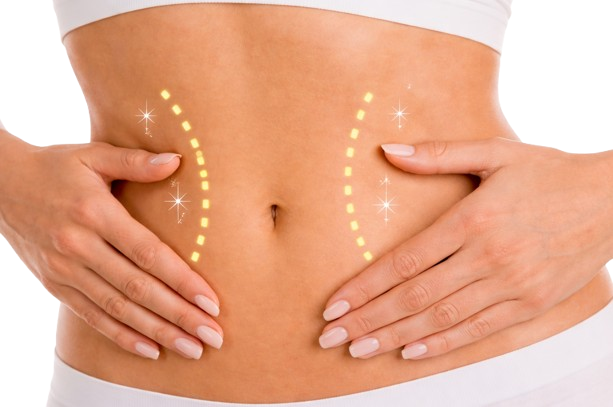
Diastasis repair is a surgical procedure aimed at restoring the anatomical integrity of the rectus abdominis muscles by bringing them back together and reinforcing the anterior abdominal wall.
Diastasis refers to the separation of the rectus muscles, most commonly occurring after pregnancy, significant weight fluctuations, or increased intra-abdominal pressure. This condition may present not only as a visible abdominal protrusion but also as functional discomfort, including core weakness, lower back strain, and reduced trunk stability.
About the service
Diastasis repair allows the muscles to be repositioned and secured along the midline, strengthening the abdominal wall and improving contour without necessarily removing excess skin when it is not required.
When Diastasis Repair Is Indicated
The procedure is recommended for clinically confirmed separation of the rectus muscles that does not respond to physical therapy or targeted exercise. It is particularly common after pregnancy when natural recovery of muscle alignment has not occurred.
Diastasis repair may be performed to
• restore structural integrity of the abdominal wall
• reduce abdominal bulging not caused by excess fat
• improve core stability
• decrease strain on the lower back
• enhance functional support of internal organs
In certain cases, the procedure may be combined with abdominoplasty or liposuction depending on the clinical presentation.
Surgical Technique
Diastasis repair involves suturing the separated muscles together along the midline using specialized techniques to create a firm muscular corset and re-establish proper anatomy.
Access to the abdominal wall may be achieved as part of an abdominoplasty or as a standalone procedure through a limited incision. The surgical approach depends on the degree of separation and tissue condition.
Surgical Planning and Expected Results
Before surgery, the width of the separation, muscle condition, and presence of associated changes are carefully evaluated. It is important to understand that diastasis repair primarily addresses functional restoration, with aesthetic improvement as an additional benefit.
Following the procedure, patients often experience a flatter abdominal profile and improved core support. Final results are assessed after the recovery period once tissues have fully stabilized.
The surgery is performed according to established surgical safety standards with an individualized treatment plan.
Indications for Diastasis Repair
The procedure is indicated for separation of the rectus muscles that cannot be corrected through exercise. It is commonly performed after pregnancy or significant weight changes. Surgical need is determined during consultation.
Contraindications for Diastasis Repair
Contraindications include severe chronic illnesses, active infections, and clotting disorders. The procedure is not performed during pregnancy. Eligibility is assessed individually by the surgeon.
Preparation for Diastasis Repair
Preparation includes consultation, diagnostic assessment, and laboratory testing. Additional evaluation may be required in certain cases. Following preoperative instructions is essential for safety.
Recovery After Diastasis Repair
During recovery, a feeling of tightness and moderate discomfort may occur. Temporary restriction of physical activity and use of supportive garments may be recommended. Return to full activity is gradual.
Anna Brodska
Service cost All prices
Body Contouring with Fillers
Diastasis Repair
from 50 437 uah (price from €1000 - to the NBU exchange rate on the day of payment)
Anna Brodska
Відгуки пацієнтів
Publications about body contouring
All publicationsAnna Brodska
Frequently asked questions about diastasis recti
Body Contouring with Fillers
Can diastasis be corrected without surgery?
Mild cases may improve with targeted exercises in the early stages. However, significant muscle separation typically cannot be fully corrected without surgical intervention. The decision depends on the severity of the condition.
Is it always necessary to combine the procedure with abdominoplasty?
Not always. If excess skin is not present, diastasis repair can be performed as a standalone procedure. When muscle separation is accompanied by redundant skin, a combined approach may be recommended.
Will there be a visible scar?
The length and placement of the scar depend on the chosen surgical technique. When performed as part of abdominoplasty, the scar is similar to that procedure. In standalone cases, the incision may be more limited.
How long does recovery take?
The initial recovery period involves restricted physical activity for several weeks. Full return to exercise and strenuous activity occurs gradually under medical supervision. Recovery duration varies individually.
Does the procedure affect internal organs?
The surgery does not alter the position of internal organs. However, restoring the muscular support of the abdominal wall may improve overall core stability and comfort.
How long-lasting are the results?
